

The Oxford Georgian Translation Project (OGTP): Continuing the Wardrops’ Legacy
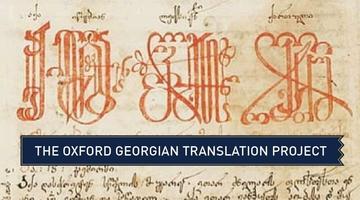
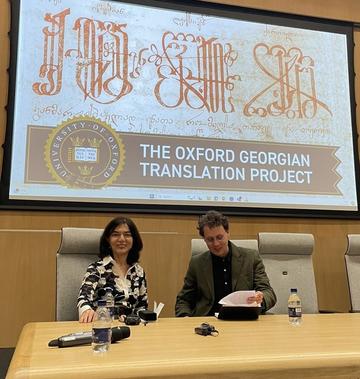
'The Oxford Georgian Translation Project' written underneath some ancient text

ქართული ლიტერატურის თარგმნის პროექტი ოქსფორდში: უორდროპების მემკვიდრეობის გაგრძელება

ქართულიდან ინგლისურად თარგმნა, ქართული ლიტერატურის ინგლისურ ენაზე თარგმნა, მარტო საუცხოო კი არა, ძალიან სასარგებლო რამაა. ლიტერატურას, თარგმნა უხდება და სჭირდება კიდეც. ოქსფორდში ქართულის მოსწავლე ბრიტანელი ახლაგაზრდების ნამუშევარი უკვე ხილულია და რახან მუდმივობა ყოველთვის მნიშვნელოვანია, ქართულის სწავლაც მუდმივი უნდა იყოს, მითუმეტეს,რომ საქმეში უროდროპების ფონდიცაა ჩართული, რაც ძველ, კარგ, წრფელ და საქმიან კავშირს ნიშავს, ჩვენსა და ბრიტანელებს შორის. ესეც არ იყოს და ქართულის სწავლა, ახალ სამყაროში შებიჯებაა, ქართული ლიტერატურის თარგმნა კი ამ ახალი სამყაროს გულისთქმის ამოცნობა. ჰოდა, ყველაფერი ერთად, ნამდვილად ითხოვს  უწყვეტობას და თანდათან კი, ტრადიციასაც. ლიტერატურა ხომ უამრავი რამის გასაღებია.“

აკა მორჩილაძე, მწერალი და ლიტერატურათმცოდნე

“Georgian-English translation and translating Georgian literature into English is something that is not only remarkable, but also useful. It is fitting and, and, moreover, necessary for literature to be translated. One can see what the students studying Georgian at Oxford have already accomplished, and because constancy is always important, the study of Georgian ought to be constant, all the more so given that the Wardrop Fund is involved in these efforts, which is a sign of the good, genuine, long-standing and active connection between Georgia and Britain. Apart from this, to study Georgian is to step into a new world, and to translate Georgian literature is to gain an intimate insight into this world. So, all in all, what is really required is continuity and, eventually, tradition. Literature really is a key to countless things.”

Aka Morchiladze, best-selling author and scholar of literature.  

About the OGTP
lia chokoshvili

I have been teaching the Georgian language at the University of Oxford for 25 years. In 2015, I began a translation project with some of my more advanced students following a suggestion from Suzy Graham-Adriani, formerly of the National Theatre. In 2017, we published a collection of Georgian short stories and plays in a translation titled Unlocking the Door. Financed by the Marjory Wardrop Fund and produced as a bilingual edition by Cezanne Publishing of Tbilisi, Georgia, the collection is available for purchase both in Georgia and in the UK, through branches of Blackwell’s, Waterstones, Foyles, and Daunts, and on Amazon.

The Oxford Georgian Translation Project was conceived as a continuation of the work started with Unlocking the Door, with the aim of placing ongoing and future translations on a firmer financial footing and in particular of establishing a better distribution network for our work.

Lia Chokoshvili has recently secured a generous £15k grant from the Georgian Ministry of Education to fund additional translation classes for an ongoing project to translate a work of contemporary Georgian fiction.

Lia Chokoshvili, Georgian Language Teacher at Oxford School of Global and Area Studies, St Antony’s College, University of Oxford.

European Literature Network: Georgian Week - Beyond just teaching the language.

Here is a Georgian news report on the translation project at the University of Oxford.


Our Projects

Fish Letters and Other Stories (Dedalus, 2025)

Our latest publication, Fish Letters and Other Stories, is out now for sale. This collection of short fiction from acclaimed writer and director Goderdzi Chokheli takes us on a tour of Georgian mountain village life. The stories vary greatly in form and length, but they are united by Chokheli’s genius of marrying high absurdity with a poignant and touching philosophical outlook. 

The title story ‘Fish Letters’ presents a man who decides to renounce all his responsibilities and to become a fish in the river. In his comic sketch, ‘The Communal Crow’, villagers compete for ownership of a crow under the arbitration of the local Communist Party official. Through his unusual, charming plots, Chokheli succeeds in taking his readers back to his time and his native place. 

Perhaps his highest merit is his ability to capture in a few pages of prose vast universal dramas. We will see ourselves in a time and a setting very different from our own. 

Translated into English for the first time by members of the Oxford Georgian Translation Project, this collection complements our translation of Chokheli’s novel Human Sadness (2024), and, we hope, will contribute to this remarkable Georgian writer becoming better known in the English-speaking world. 

Purchase a copy of the book

The Dress, Tamta Melashvili's play, was translated by the members of the OGTP and presented at Georgia Oxford Forum 2025
“As a writer, I had the honor and privilege to collaborate with the Oxford Georgian Translation Project. I was deeply impressed by the team's dedication, their command of the languages and the passion they bring to their work. Through their efforts my play “The Dress” found its powerful voice in English. “The Dress” is based on a true story of Minadora Orjonikidze, a Georgian politician of the First Republic (1918-1921) who later joined the resistance against the Soviet regime and was exiled to the Gulag. Through her story, I tried to reflect on the Stalinist terror and survivors’ defiance and also respond to the currently rising threats of authoritarianism worldwide.”
Tamta Melashvili 

Goderdzi Chokheli’s Human Sadness (Dedalus, 2024)

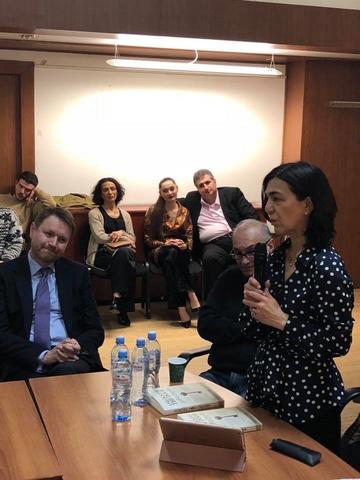
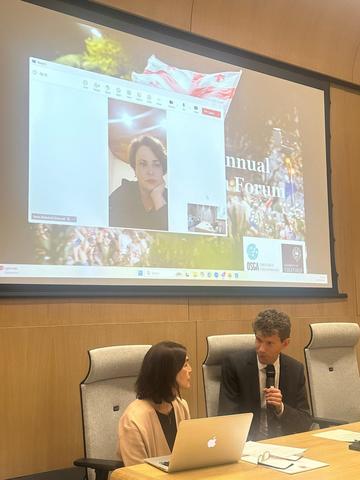
Human Sadness was officially launched at the Third Annual Oxford-Georgia Forum at St Antony's College, Oxford, on 31st May 2024. 

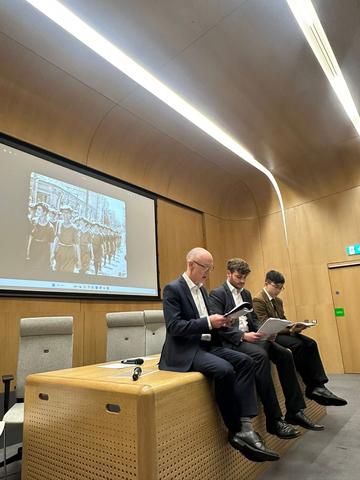
The Third Annual Oxford-Georgia Forum featured panels on UK-Georgia relations and academic research centering around Georgian history and politics. As part of our book launch presentation, each of the translators gave a short speech covering topics including the historical context of the novel, the role of women, and the literary merits of the novel.

Another book launch event was held at the Royal Asiatic Society in London on 24th October 2024. Our presentation can be viewed on YouTube

After the presentation, audience members and the speakers were treated to a Georgian wine reception.
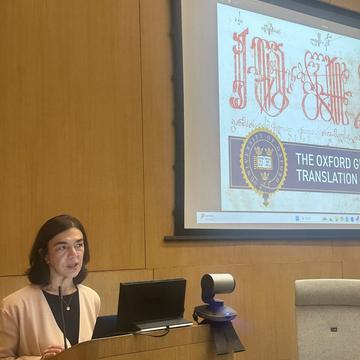
Lia Chokoshvili has shoulder-length brown hair. She is standing at a wooden lectern, with a presentation on a large screen behind her.

Lia Chokoshvili presents at St Antony's College
Lia Chokoshvili is standing and speaking behind a brown lectern. She is wearing a black and white patterned blazer

Lia Chokoshvili presents at the Royal Asiatic Society book launch
A man with short grey hair and a grey beard presenting a lectern.

Presentation at the Royal Asiatic Society book launch
 

Stories from Saba: Selected Fables from The Book of Wisdom and Lies (Cezanne Publishing, 2023)

Sulkhan-Saba Orbeliani’s Journey to Europe

Unlocking the Door (Cezanne, 2017)


Translators' Bios
Testimonials

„ქართულიდან ინგლისურად თარგმნა, ქართული ლიტერატურის ინგლისურ ენაზე თარგმნა, მარტო საუცხოო კი არა, ძალიან სასარგებლო რამაა. ლიტერატურას, თარგმნა უხდება და სჭირდება კიდეც. ოქსფორდში ქართულის მოსწავლე ბრიტანელი ახლაგაზრდების ნამუშევარი უკვე ხილულია და რახან მუდმივობა ყოველთვის მნიშვნელოვანია, ქართულის სწავლაც მუდმივი უნდა იყოს, მითუმეტეს,რომ საქმეში უროდროპების ფონდიცაა ჩართული, რაც ძველ, კარგ, წრფელ და საქმიან კავშირს ნიშავს, ჩვენსა და ბრიტანელებს შორის. ესეც არ იყოს და ქართულის სწავლა, ახალ სამყაროში შებიჯებაა, ქართული ლიტერატურის თარგმნა კი ამ ახალი სამყაროს გულისთქმის ამოცნობა. ჰოდა, ყველაფერი ერთად, ნამდვილად ითხოვს  უწყვეტობას და თანდათან კი, ტრადიციასაც. ლიტერატურა ხომ უამრავი რამის გასაღებია.“

აკა მორჩილაძე, მწერალი და ლიტერატურათმცოდნე

“Georgian-English translation and translating Georgian literature into English is something that is not only remarkable, but also useful. It is fitting and, and, moreover, necessary for literature to be translated. One can see what the young people studying Georgian at Oxford have already accomplished, and because constancy is always important, the study of Georgian ought to be constant, all the more so given that the Wardrop Fund is involved in these efforts, which is a sign of the good, genuine, long-standing and active connection between Georgia and Britain. Apart from this, to study Georgian is to step into a new world, and to translate Georgian literature is to gain an intimate insight into this world. So, all in all, what is really required is continuity and, eventually, tradition. Literature really is a key to countless things.”

Aka Morchiladze, best-selling author and scholar of literature

***

„ბოლო რამდენიმე წლის განმავლობაში, ოქსფორდში ქართული ლიტერატურის თარგმნის პროექტის არსებობამ მიაღწია იმ მიზანს, რომელიც 1918 წლიდან დღემდე ბევრისთვის მიუღწეველი სამიზნე იყო: შეიქმნა  ახალგაზრდა კურსდამთავრებულთა ჯგუფი. ისინი თავიანთი ქართული ენის ცოდნით, უნარითა და მონდომებით ცდილობენ  ინგლისელ მკითხველამდე მიიტანონ ძველი და თანამედროვე ქართული ლიტერატურის საუკეთესო ნიმუშები“.

დონალდ რეიფილდი, რუსული და ქართული ენის პროფესორ-ემირიტუსი, ლონდონის დედოფალ მერის სახელობის უნივერსიტეტში

“In recent years, the Oxford Georgian Translation Project has proved to be highly successful in an enterprise that has been recommended, but not achieved since 1918: to create a cadre of young graduates with a thorough knowledge of the Georgian language and the ability and desire to make the best of Georgian literature, ancient and modern, accessible to English-speaking readers.”

Donald Rayfield, Emeritus Professor of Russian and Georgian at Queen Mary University of London

***

„ქალბატონ ლია ჩოკოშვილთან და მის გასაოცარ სტუდენტებთან უკვე ორი წელია მაქვს ურთიერთობა.  ქართველებისთვის საყვარელი მწერლის და რეჟისორის გოდერძი ჩოხელის შემოქმედება ინგლისურ ენაზე ნათარგმნი არ იყო,თუ არ ჩავთვლით ორიოდე მოთხრობის თარგმანს.   ამიტომაც რომანის,,ადამიანთა სევდა" და რამდენიმე მოთხრობის თარგმნით გამოწვეული სიხარული უსაზღვროა ჩვენი/გოდერძი ჩოხელის/ ოჯახისთვის.ამ პროცესში მეც ვიყავი ჩართული და მოწმე ვარ როგორი შრომის ფასად დაუჯდათ ქართული ენის მასწაავლებელ ქ.-ნ ლიას და მის სტუდენტებს ამ ნაწარმოებებზე მუშაობა.    გასაოცარი ის იყო ჩემთვის,თუ როგორი პასუხისმგებლობით ეკიდებოდნენ ისინი თითოელი სიტყვის თარგმნას.ვერასოდეს წარმოვიდგენდი თარგმნაზე მუშაობის ასეთ სტილს.სტუდენტები მასწავლებელთან  ერთად იაზრებდნენ თითოეულ სიტყვას,გამოთქმას;ეძებდნენ მათ წარმომავლობას,ძირის- ძირობამდე არკვევდნენ და წვდებოდნენ პერსონაჟების კილოსთვის დამახასიათებელ მეტყველებას,ფრაზებს. ქ.- ნი ლია,შეიძლება,მეტად მომთხოვნიც კი იყო მუშაობისას,სამაგიეროდ ასეთი შრომის ნაყოფიც არაჩვეულებრივი მივიღეთ.  - თარგმანი მაღალი დონისაა- როგორც ამას ქართული ენის უზადო მცოდნე პროფესორი დონალდ რეიფილდი აფასებს.  მიმაჩნია, რომ ქ.-მა ლია ჩოკოშვილმა და მისმა სტუდენტებმა /გვარები და სახელები/ კარი გაუღეს გოდერძი ჩოხელის ორიგინალურ შემოქმედებას   ინგლისურ ენაზე.   მჯერა, ეს დიდი შრომა და საქმე წიგნის გამოცემით დაგვირგვინდება“.             

 ნინო მელაშვილი- ჩოხელი ( გოდერძი ჩოხელის მეუღლე)

I have been in contact with Lia Chokoshvili and her amazing students for two years now. The works of Goderdzi Chokheli, a writer and director beloved of the Georgians, had not yet been translated into English, not counting translations of a few odd short stories. Therefore, we, Goderdzi’s family, feel boundless joy that his novel Human Sadness and several of his short stories have been translated. I have been involved in this process and have witnessed the amount of effort put in by Lia and her students. I have been amazed by how conscientiously they have approached the translation of every single word. This style of translation work is beyond what I could ever have imagined. Together with their teacher, the students pondered over every word and saying, searching for their origin, while seeking to clarify everything thoroughly and to grasp the expressions and phrases typical of the characters’ dialect. Lia may have been quite demanding during the translation process, yet the result of all this work is extraordinary. The translation is of a high standard, according to the assessment of Prof. Donald Rayfield, an expert in the Georgian language. It seems to me that Lia Chokoshvili and her students – Ollie Matthews, Margaret Miller, Walker Thompson, Clifford Marcus, and Geoffrey Gosby – have opened the door to Goderdzi Chokheli’s original works in English.

I believe that the great work and cause of publishing the book will indeed come to fruition.

Nino Melashvili-Chokheli, wife of Goderdzi Chokheli

***

„რაოდენ აღტაცებული სიტყვაც უნდა ითქვას ოქსფორდის უძველესი უნივერსიტეტისა და მისი ფონდების უნიკალურ სიმდიდრეზე, დღესდღეისობით არანაკლებ მნიშვნელოვან საქმედ მიმაჩნია, რომ ოქსფორდის უნივერსიტეტის სტუდენტებიდან ყოველწლიურად სულ უფრო მეტი ახალგაზრდა ინტერესდება ქართული ენის სერიოზულად შესწავლით და ხალისით ებმება მთარგმნელობით მუშაობაში, მათი უნარიანი მასწავლებლისა და ამ საქმის დიდი ენთუზიასტის-ლია ჩოკოშვილის ხელმძღვანელობით.

უკანასკნელ წლებში ინტენსიური ერთობლივი მუშაობის შედეგად ითარგმნა და გამოიცა მეტად საყურადღებო კრებული „ კარს მიღმა“- რამდენიმე თანამედროვე ქართველი მწერლის მოთხრობების ინგლისური თარგმანები. ამ გამოცემამ მკითხველი საზოგადოების საყოველთაო ყურადღება მიიპყრო და ცხოველი ინტერესი გამოიწვია.

ეჭვი არ არის, ეს კრებული საწინდარი გახდება როგორც კვლევითი, ისე ( და განსაკუთრებით!) წარმატებული მთარგმნელობითი მუშაობის გაგრძელებისა“.

შუქია აფრიდონიძე, ენათმეცნიერი, ფილოლოგიის ფაკულტეტის პროფესორი-ემირიტუსი ილიაუნის უნივერსიტეტში

“However many words of praise need be said about Oxford University, I consider it as equally high an accolade that every year an increasing number of Oxford students are interested in studying the Georgian language seriously and are enjoying working on translations under the guidance of their capable and enthusiastic teacher, Lia Chokoshvili.

In recent years, as a result of an intensive collaborative effort, the acclaimed collection “Unlocking the Door” — an English translation of short stories by several contemporary Georgian writers — has been translated and published. “Unlocking the Door” has attracted the attention of the reading public and aroused keen interest. 

There is no doubt that this collection is the fore-runner of continued research, as well as (above all!) successful translation work.”

Shukia Apridonidze, Linguist, Emeritus Professor, Faculty of Philology, Ilia State University

***

„ჩემი, როგორც საქართველოს ელჩის ერთ-ერთი პრიორიტეტია საქართველოსა და ბრიტანეთს შორის უკვე არსებული წარმატებული კულტურული და საგანმანათლებლო ურთიერთობების კიდე უფრო გაღრმავება. ვფიქრობ, რომ უაღრესად მნიშვნელოვანია უორდროპების მრავალწლიანი მემკვიდრეობის გაგრძელება, ქართული ლიტერატურის თარგმნა და ქართული ენის, როგორც მსოფლიოში ერთ-ერთი ყველაზე ძველი და უნიკალური ენის სწავლება ოქსფორდის უნივერსიტეტში. The Oxford Georgian Translation Project: Continuing the Wardrops' Legacy — ჩვენი მრავალფეროვანი ლიტერატურის ცნობადობის ამაღლებისა და ქართული მემკვიდრეობის უკეთ წარმოჩენის ნათელი მაგალითია. ასევე, სასიხარულოა ქართულ ენის სწავლების მიმართ მზარდი ინტერესი ოქსფორდის უნივერსიტეტის სტუდენტებს შორის, რაც ძალიან უწყობს ხელს ხალხთაშორისი კავშირების გაძლიერებას. დიდი მადლობა მინდა გადავუხადო ქალბატონ ლია ჩოკოშვილს მის მიერ წლების მანძილზე გაწეული თავდაუზოგავი შრომისთვის და ოქსფორდში ქართული ენისა და ლიტერატურის პოპულარიზაციისთვის“.

გაერთიანებულ სამეფოში საქართველოს ელჩი, სოფიო ქაცარავა.

One of my priorities as Georgian ambassador is to deepen the already well-developed cultural and educational ties between Georgia and Britain even further. I think that it is exceedingly important to continue the Wardrops’ long-running legacy, to translate Georgian literature, and to continue teaching Georgian, one of the oldest and most distinctive languages in the world, at Oxford University. The Oxford Georgian Translation Project will heighten the fame of our variegated literature and is a glowing example of how we can better make Georgian heritage manifest. The growing interest in learning Georgian among students at Oxford University is also a cause for joy, as it greatly facilitates the strengthening of international relations. I would like to express my thanks to Lia Chokoshvili for her  selfless work carried out over the span of many years in popularizing the Georgian language and Georgian literature in Oxford.

Sophie Katsarava, MBE, Ambassador of Georgia to the UK

Supporting the OGTP

Find out more about supporting the Oxford Georgian Translation Project

The Oxford Georgian Translation Project is grateful for the ongoing financial support of the Marjory Wardrop Fund, which, in addition to providing funding for Lia’s Georgian classes, also supported the publication of our first collection of translations, Unlocking the Door (Cezanne, 2017).

We would also like to thank the Georgian Ministry of Education, which has recently provided a generous £15k grant to fund additional translation classes for an ongoing project to translate a work of contemporary Georgian fiction.

We also express our gratitude to the Writers’ House of Georgia, which has recently approved a grant for the publication of our translation of Goderdzi Chokheli’s Human Sadness by Dedalus Books.

We are very grateful to the Job Carroll Henning Fund at American Friends of Georgia for providing financial support to Dr Geoffrey Gosby for his translation of Sulkhan-Saba Orbeliani’s Journey to Europe (mogzauroba evropashi).

We are indebted to Aleksi Aleksishvili and PMCG for their generous financial support of Margaret Miller and Leigh Morris in their translation of Aka Morchiladze's Santa Esperanza.


News

Photos from our book presentation event for the publication of Unlocking the Door in Tbilisi, courtesy of the Georgian-British Culture Platform (14/04/2018):
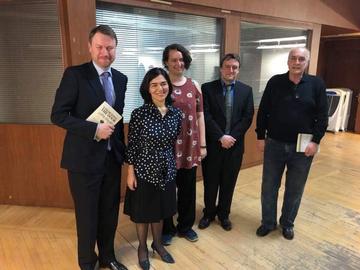
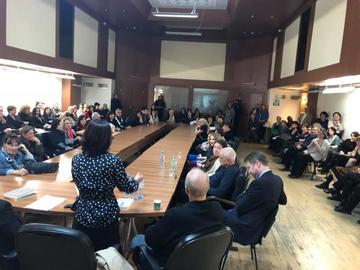
unlocking the door photo


From the students

Lia Chokoshvili is extremely well networked with the academic and literary communities both inside and outside of Georgia, and collaboration with leading scholars and writers has been vital to the project’s success. Two notable academics whose input has been instrumental to the project are Prof. Donald Rayfield of Queen Mary University in London and the late Shukia Apridonidze, Professor Emeritus of Ilia University in Tbilisi (+2022).

Second, Lia’s teaching is highly innovative from the point of view of language didactics and translation studies. Not only do we focus on the content and meaning of the texts, embedding them within the broader cultural context in which they were created and carefully pondering different translation variants, but we also use the texts as a jumping-off point for meticulously dissecting and reinforcing difficult points of grammar, such as verb conjugations, which pose a considerable challenge for learners of Georgian. Students also receive exposure to dialectal and regional variants of Georgian that would not ordinarily feature in traditional instruction.

Third, the project has already produced three books, edited by Lia, that are painstaking works of scholarship in their own right. I regard the collective publications that have emerged out of Lia’s lessons and Oxford Georgian Translation Project as integral parts of my own research output.
Dr Walker Thompson, Heidelberg University, Germany

The way in which Lia organises the lessons works well with its three strands of language acquisition: grammar, conversation and translation. All three strands are essential for increasing our knowledge and understanding of the language, but the translation lessons are especially productive and helpful in two ways. First, they introduce us to Georgian literature and culture and make this fascinating language come alive, as we read authentic, unadapted texts. Second, but equally important, is that the translation classes reinforce the language patterns that we learn in the grammar and conversation lessons and help us to see better how the language works, particularly the Georgian verbal system.
Jo Shortt Butler

Firstly, it has been great to see ‘real Georgian’ and work with the language in actual use in the form of stories and fiction passages. Secondly, this approach of using translation as a teaching method has been extremely helpful to delve further into the language’s grammar. Lia’s method of working through the text while explaining new grammar points and vocabulary throughout has been a great way to gain a better grasp of the language’s complex verbal system, while growing my working vocabulary.
Seb Klavinskis-Whiting

The translation classes forces me to engage with the productive rather than the receptive aspects of language learning. Georgian grammar is, of course, notoriously dense, and it is vital to understand what every part of a word does, in combination with the others. We also engage in what is, in effect, simultaneous translation, which is one of the most taxing skills to practice. The texts are also engaging, amusing, and provide insight into Georgian culture.
Marcus Choo